Hi everyone!
I’m excited to share an old project of mine that I finally found the time to publish online: FantasticLogo.
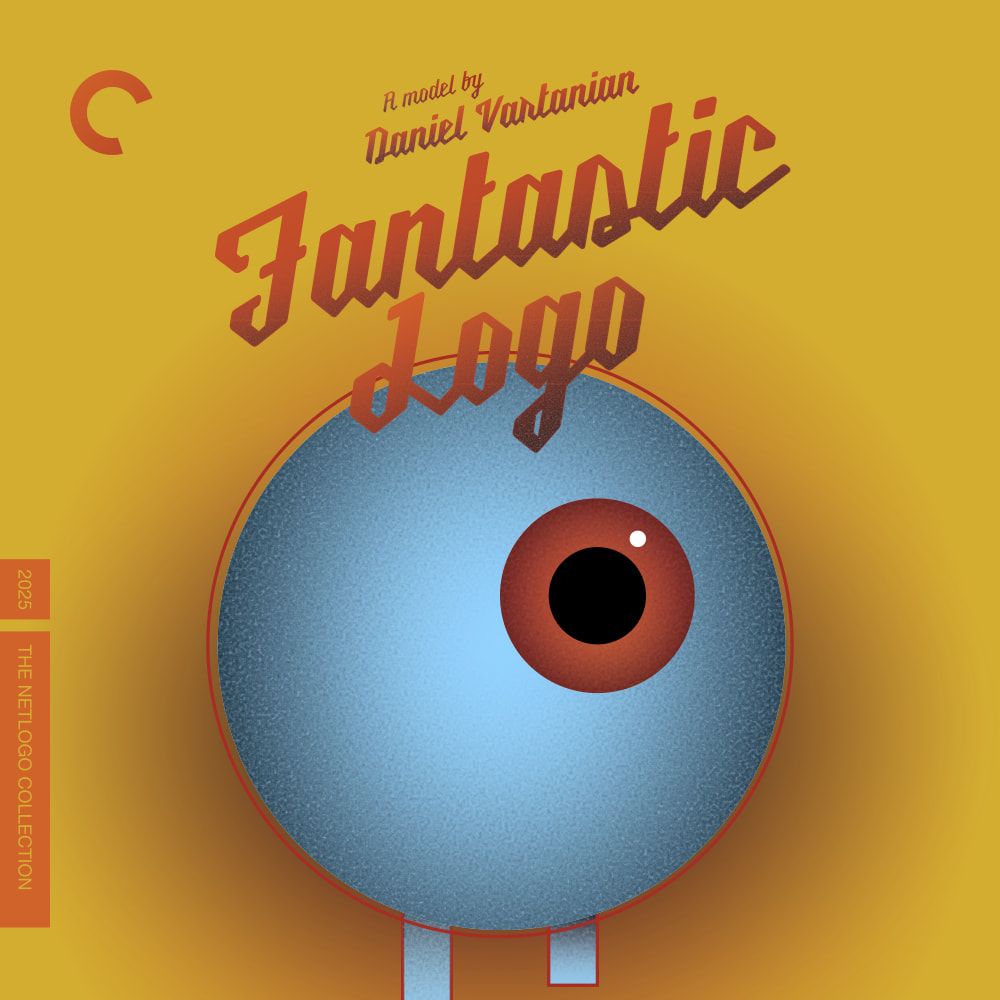
FantasticLogo is a NetLogo model for simulating the complex predator-prey dynamics of bleurghs and oopalamcas, two species native to planet Magy’s northern hemisphere. It provides a platform for xenobiology research, allowing users to explore how alien species interact, compete, and adapt within an unfamiliar ecosystem.
The model is openly available on Modeling Commons and GitHub.

Click here to play with this model online on NetLogo Web!
How It Works
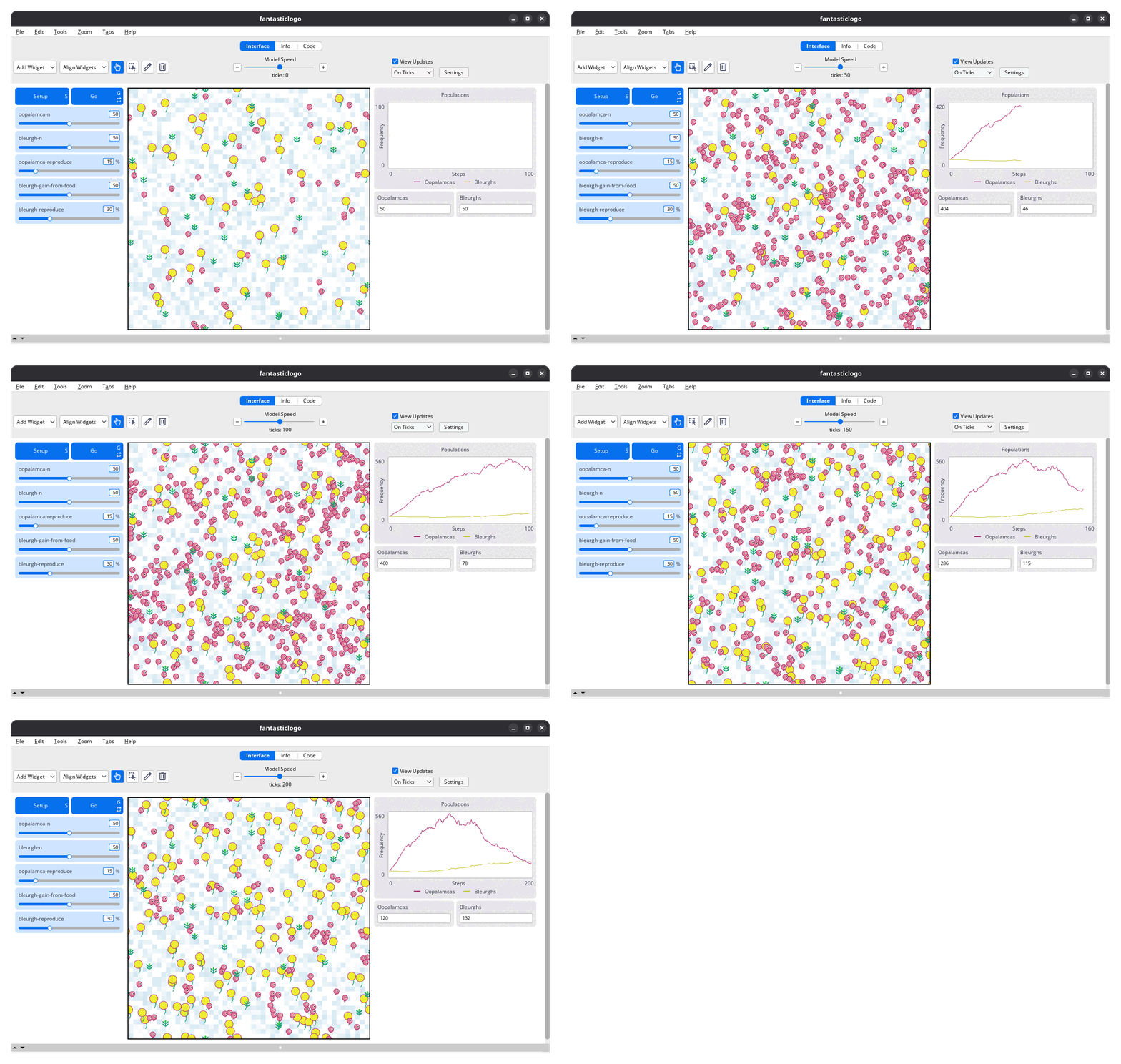
The model operates on a grid of patches, each representing a patch of soil where bleurghs grow and oopalamcas roam.
Oopalamcas are small, purple creatures with voracious appetites and a distinctive croak. Bleurghs are large, carnivorous plants that move slowly and capture prey with their funnel-shaped mouths. In the model, oopalamcas are the prey and bleurghs are the predators.
As the simulation runs, bleurghs grow on patches and, upon reaching maturity, can reproduce by dispersing seeds to random locations. Bleurghs prey on oopalamcas, regulating their population.
Jokes Aside…
FantasticLogo takes inspiration from René Laloux’s 1973 masterpiece, La Planète Sauvage. The model’s visual and conceptual design mirrors the film’s hypnotic atmosphere, where the towering, blue-skinned Draags dominate a world teeming with surreal, alien flora and fauna. In this world, humans (known as Oms) are treated as mere pets, struggling to survive in an environment that is both beautiful and perilous.
The model’s dynamics are grounded in the classic Lotka-Volterra equations, originally formulated by Alfred J. Lotka (1925) and Vito Volterra (1926), to describe predator-prey interactions. The code builds on Wilensky’s (1997) Wolf Sheep Predation model.

Learn more at: GitHub - danielvartan/fantasticlogo: 👾🪐 Predator-Prey Dynamics on Planet Magy with NetLogo
GitHub Stars are always appreciated! 
Cheers,
Daniel Vartanian